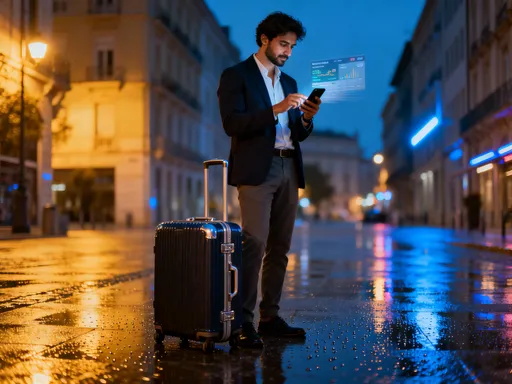
How I Turned Study Abroad Stress into Smart Financial Wins
Sending money overseas, managing tuition, and budgeting in a foreign currency—exchange student programs can wreck your finances if you’re not careful. I learned this the hard way. What started as a dream year abroad almost became a financial disaster. But by treating my education like a real investment and not just an expense, I discovered systematic ways to save, grow, and protect my money—without taking reckless risks. What felt like constant financial pressure gradually transformed into clarity, control, and even opportunity. This is not a story of overnight wealth, but of smart choices, disciplined planning, and the quiet confidence that comes from knowing your money is working for you, even in unfamiliar territory.
The Hidden Cost of Going Global
Studying abroad is often sold as a life-changing experience, and it truly can be. But behind the excitement of new cultures and academic growth lies a financial reality that many families overlook. The visible costs—airfare, tuition, housing—are just the surface. Beneath them are a series of hidden financial drains that quietly erode budgets, often catching students and parents off guard. These aren’t dramatic expenses, but small, recurring fees and poor financial decisions that accumulate quickly, especially when dealing with foreign currencies and international banking systems.
One of the most common yet underestimated costs is international money transfer fees. When families send funds from home to support a student overseas, traditional banks often charge high flat fees or unfavorable exchange rates that include hidden markups. A transfer that appears to cost $30 might actually cost much more when you factor in the difference between the mid-market exchange rate and the rate the bank offers. Over the course of a year, these discrepancies can add up to hundreds of dollars lost—money that could have covered textbooks, travel, or emergency needs. Moreover, many students use their home bank cards abroad without realizing that each withdrawal or purchase incurs foreign transaction fees, typically ranging from 2% to 3%. These small percentages become significant when applied to every daily expense.
Another overlooked trap is dynamic currency conversion (DCC), a practice often encountered at ATMs or point-of-sale terminals abroad. When prompted to pay in your home currency instead of the local one, it may seem convenient, but DCC almost always comes with poor exchange rates and additional fees. Students who accept this option unknowingly overpay, sometimes by as much as 5% to 8% on a single transaction. This lack of awareness turns routine purchases into avoidable losses. Similarly, using credit cards with no foreign transaction fee protection or relying on cash advances can lead to compounding charges that damage financial stability before the semester even begins.
The psychological impact of these hidden costs is just as important. When students feel constant financial strain, it can affect academic performance, mental well-being, and social engagement. They may avoid cultural experiences, skip meals, or hesitate to seek help due to fear of additional expenses. By failing to plan for these invisible drains, families inadvertently turn what should be an empowering experience into a source of stress. Recognizing these pitfalls early allows for proactive solutions—such as using low-fee international transfer services, securing travel-friendly debit cards, and setting clear spending guidelines. The key is not to eliminate all costs, but to make them predictable, transparent, and manageable.
Reframing Education as a Long-Term Investment
For many families, the cost of studying abroad is viewed strictly as an expense—an unavoidable outlay with no immediate return. Tuition, housing, and living expenses are budgeted like bills, paid with the hope that the experience will be worth it someday. But this mindset limits financial potential and overlooks a crucial truth: education, especially international education, is not just a cost—it is the beginning of a long-term investment in personal and financial growth. When approached with intention, the financial decisions made during this period can yield returns that extend far beyond the classroom.
Consider the long-term benefits of global exposure. Students who study abroad often develop stronger cross-cultural communication skills, adaptability, and problem-solving abilities—qualities highly valued in today’s global job market. Employers in multinational companies frequently prioritize candidates with international experience, not just for the academic credentials, but for the demonstrated ability to navigate unfamiliar environments. This career advantage translates into higher earning potential over time. Studies have shown that individuals with international education backgrounds are more likely to secure leadership roles and global assignments, which often come with premium compensation. When viewed through this lens, the money spent on studying abroad isn’t lost—it’s seed capital planted in a future of greater opportunity.
But the return isn’t only professional. The financial discipline required to manage money across borders builds a level of financial literacy that many adults never achieve. Budgeting in a foreign currency, comparing exchange rates, and protecting against fraud are real-world skills that form the foundation of smart investing. Students who learn to track expenses, avoid unnecessary fees, and plan for emergencies during their exchange year are practicing behaviors that directly apply to managing retirement accounts, mortgages, and investment portfolios later in life. These habits, once formed, become automatic, giving them a lasting edge in personal finance.
Shifting from a consumer mindset to an investor mindset changes the way decisions are made. Instead of asking, “How can I survive financially while abroad?” the question becomes, “How can I use this experience to build lasting financial strength?” This subtle change in perspective encourages proactive planning, such as locking in favorable exchange rates before departure, choosing financial products with long-term benefits, and viewing every expense as part of a larger strategy. It also reduces emotional spending, as students begin to see their resources not as disposable income, but as capital to be preserved and grown. By treating education as an investment, families can align their financial actions with their long-term goals, ensuring that the benefits of studying abroad continue long after the trip ends.
Building Your Financial Safety Net Before Departure
Just as prudent investors conduct due diligence before entering a new market, students preparing for study abroad must take deliberate steps to secure their finances before departure. This preparation phase is not about cutting corners or extreme frugality—it’s about building a structured, resilient financial foundation that minimizes risk and maximizes control. The choices made in the months leading up to the trip can determine whether a student spends the year reacting to financial surprises or confidently managing their resources.
One of the most impactful steps is setting up a dedicated international banking solution. Traditional domestic accounts often come with high fees for overseas transactions, making them inefficient for long-term use abroad. Instead, students should consider opening a multi-currency account or using a financial service designed for international users. These accounts typically offer lower transfer fees, real-time exchange rates, and the ability to hold and manage funds in multiple currencies. By transferring a portion of tuition and living expenses in advance at a favorable rate, families can hedge against currency fluctuations that might otherwise increase costs later. Timing is critical—monitoring exchange rate trends in the months before departure allows for strategic transfers when the market is favorable.
Equally important is establishing an emergency fund. Unexpected expenses—medical bills, flight changes, or urgent family needs—can arise at any time. A well-prepared student should have access to a reserve of at least three to six months’ worth of living expenses, stored in a liquid, easily accessible account. This fund should be separate from daily spending money and used only for genuine emergencies. Having this buffer reduces stress and prevents the need to rely on high-interest credit cards or costly short-term loans. It also provides peace of mind, allowing students to focus on their studies and experiences without constant financial anxiety.
Another key element is securing the right financial tools. Debit and credit cards should be selected based on their international usability—no foreign transaction fees, global ATM access, and strong fraud protection. Notifying banks of travel plans in advance prevents accounts from being frozen due to unusual activity. Additionally, students should carry multiple payment methods: a primary card, a backup card, and a small amount of local cash. Digital wallets and mobile banking apps can further enhance convenience and security, enabling real-time balance checks and instant transaction alerts. By assembling these tools before departure, students create a financial ecosystem that supports stability, flexibility, and control throughout their stay.
Managing Cash Flow Like a Pro Overseas
Once abroad, the real test of financial discipline begins. Daily spending decisions—what to eat, how to travel, where to shop—quickly add up, and without a clear system, even a well-funded budget can vanish in weeks. The goal is not to live frugally at the expense of experience, but to manage cash flow with the precision of a seasoned financial manager. This means making informed choices that balance enjoyment with sustainability, using tools and habits that prevent waste and maximize value.
The first step is choosing the right payment methods. A debit card linked to a low-fee international account should serve as the primary tool for daily spending. These cards often provide real-time exchange rates and eliminate the 2-3% foreign transaction fees common with standard bank cards. When using ATMs, students should select machines affiliated with major banks to avoid surcharges and always decline dynamic currency conversion. Paying in the local currency ensures the most accurate exchange rate and prevents hidden markups. Credit cards, if used, should be reserved for larger purchases that offer rewards or buyer protection, and the balance should be paid in full each month to avoid interest charges.
Budgeting apps play a crucial role in maintaining financial awareness. By linking accounts and categorizing expenses, these tools provide a clear picture of where money is going. Daily check-ins help students stay on track and adjust spending before small oversights become major shortfalls. Setting weekly spending limits for categories like food, transportation, and entertainment creates structure without rigidity. For example, allocating a fixed amount for dining out encourages mindful choices—perhaps cooking more meals at home or seeking affordable local eateries instead of tourist-priced restaurants. These small adjustments compound over time, preserving funds for meaningful experiences like weekend trips or cultural events.
Behavioral habits are just as important as tools. Students should develop the practice of reviewing transactions regularly, not just to track spending, but to detect fraud or errors early. They should also resist the temptation to spend out of social pressure—just because friends are going out doesn’t mean every outing is affordable. Learning to say no, or to suggest lower-cost alternatives, is a sign of financial maturity. Over time, disciplined cash flow management becomes second nature, transforming budgeting from a source of stress into a quiet source of empowerment. Students who master this skill gain more than financial stability—they gain confidence in their ability to navigate complex financial environments, a trait that will serve them well in all areas of life.
Earning While Learning: Realistic Side Opportunities
While most exchange students face restrictions on formal employment due to visa regulations, the idea that you can’t earn any income abroad is a misconception. There are legitimate, low-risk ways to generate supplemental income that comply with local laws and academic requirements. These opportunities are not about getting rich quickly, but about building skills, gaining experience, and creating small financial cushions that reduce dependence on parental support.
Remote freelancing is one of the most accessible options. Students with skills in writing, graphic design, programming, or digital marketing can offer services to clients back home or internationally through reputable platforms. Because the work is done online and payments are received digitally, it often falls outside the scope of local labor laws, making it a compliant way to earn. Even a few hours of freelance work per week can cover phone bills, entertainment, or travel expenses. More importantly, these projects build a professional portfolio and demonstrate initiative—qualities that enhance future job prospects.
Tutoring is another viable path, especially for students strong in academic subjects. Many international students offer online tutoring in their native language or in subjects like math, science, or test preparation. Platforms that connect tutors with students globally make it easy to schedule sessions around academic commitments. Some students also provide in-person tutoring to local students, provided it doesn’t violate visa terms. This not only generates income but reinforces their own knowledge through teaching—a proven method for deep learning.
Content creation is a growing avenue for students with creativity and consistency. Starting a blog, YouTube channel, or Instagram account about cultural experiences, study tips, or travel insights can attract an audience over time. While monetization through ads or sponsorships may take months, the process itself develops valuable skills in communication, branding, and digital marketing. Even if earnings are modest, the experience is an investment in future career capital. The key is to focus on authenticity and value, not virality. Sustainable income comes from consistent effort, not overnight success.
These side activities share a common benefit: they turn downtime into productive time. Instead of scrolling social media or watching endless videos, students can use spare hours to build something meaningful. The income may be modest, but the long-term value—in skills, confidence, and financial independence—is substantial. By approaching earning as a form of skill-building rather than just cash generation, students align their efforts with long-term goals, ensuring that every hour invested yields returns that last far beyond the exchange program.
Protecting Your Money from Hidden Risks
Studying abroad exposes students to financial risks that are rarely discussed but can have serious consequences. These include not only external threats like fraud and theft, but also internal vulnerabilities such as emotional spending and poor decision-making under stress. Protecting your money requires more than just a secure bank account—it demands awareness, preparation, and proactive habits.
One of the most effective safeguards is comprehensive insurance. Health insurance is often mandatory, but students should also consider travel insurance that covers trip interruptions, lost luggage, and emergency evacuations. Some policies even include coverage for financial fraud or identity theft, which can be critical if a card is compromised. Reading policy details carefully ensures there are no gaps in protection. Equally important is securing digital accounts. Using strong, unique passwords, enabling two-factor authentication, and avoiding public Wi-Fi for financial transactions reduces the risk of cybercrime. Students should also register their devices and set up remote wipe features in case of loss or theft.
Communication with banks is another layer of protection. Informing financial institutions about travel plans prevents transactions from being flagged as suspicious. Setting up transaction alerts allows for immediate detection of unauthorized activity. If a card is lost or stolen, knowing the emergency contact number and having a backup payment method can prevent a minor incident from becoming a major crisis. Keeping digital and physical copies of important documents—passports, insurance cards, bank details—in a secure location ensures quick access when needed.
Equally important is guarding against psychological risks. Loneliness, culture shock, and academic pressure can lead to emotional spending—buying things to feel better, fitting in, or distracting from stress. This type of spending is often impulsive and regretted later. Recognizing the triggers and developing healthier coping mechanisms—such as journaling, exercise, or talking to a trusted friend—can prevent financial setbacks. Budgeting for small pleasures in advance also helps, as it allows for enjoyment without guilt or overspending. Financial protection is not just about numbers—it’s about mindset, habits, and self-awareness.
Bringing It All Back: Turning Experience into Lifelong Skills
When the study abroad program ends and students return home, the journey doesn’t stop—it evolves. The financial lessons learned overseas are not temporary fixes for a one-year challenge; they are durable skills that form the foundation of lifelong financial health. The discipline of budgeting in a foreign currency, the awareness of hidden fees, the confidence in managing international transactions—all of these become ingrained habits that continue to deliver value long after the passport is stamped.
Many students return with more than memories—they return with a heightened sense of financial responsibility. They’ve learned to track expenses, anticipate risks, and make decisions based on long-term goals rather than short-term impulses. These behaviors directly translate into smarter personal finance choices at home: creating household budgets, saving for major purchases, or starting retirement accounts earlier. The experience of managing money in a high-stakes environment builds confidence that makes future financial decisions feel less intimidating and more manageable.
Moreover, the global perspective gained during study abroad enhances financial decision-making in an interconnected world. Students who have navigated exchange rates and international banking systems are better equipped to understand global markets, evaluate investment opportunities abroad, or consider international career paths. They are more likely to diversify savings across currencies, research global index funds, or consider overseas property as part of a long-term strategy. This broader financial vision sets them apart from peers who have not had the same exposure.
Ultimately, the true return on investment from studying abroad is not measured in immediate savings or earnings, but in the quiet, compounding advantage of financial maturity. The ability to plan ahead, avoid common pitfalls, and make informed choices is a skill that pays dividends for decades. It transforms what could have been a financial burden into a powerful catalyst for long-term success. By treating the experience as both an academic and financial journey, students gain not just a degree, but a lifetime of financial wisdom.