Flavors of Shiraz: A Food Lover’s Journey Through Iran’s Soul
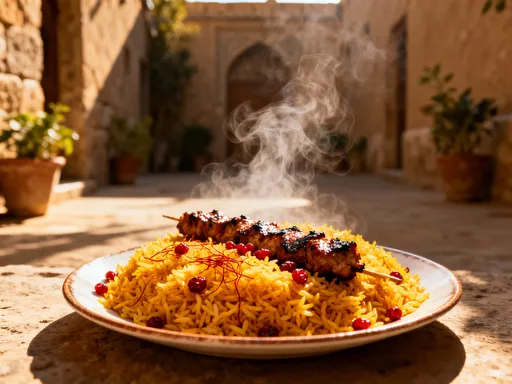
Shiraz isn’t just about poetry and gardens—its food scene is pure magic. I wandered through bustling bazaars, sipped saffron tea in family-run eateries, and discovered dishes that taste like history. From smoky kebabs to fragrant rice with barberries, every bite tells a story. This is real Persian hospitality—warm, rich, and unforgettable. You haven’t truly experienced Shiraz until you’ve tasted it. More than a destination, Shiraz is a sensory journey where centuries of tradition simmer in clay pots, rise with steam from fresh-baked bread, and unfold on handwoven tablecloths spread with generosity. For the mindful traveler, especially those who cherish connection, comfort, and authenticity, the city offers not just meals—but moments that nourish the soul.
Introduction to Shiraz: More Than Just a City
Shiraz, nestled in the fertile Fars Province of southern Iran, is often celebrated as the city of poets, roses, and ancient ruins. Home to the tombs of Hafez and Saadi, its gardens whisper verses of love and wisdom. Yet beyond its literary and architectural splendor lies a quieter, deeper rhythm—one measured in the slow simmer of stews, the golden crust of rice, and the communal joy of shared bread. Shiraz is a culinary crossroads where mountain air, sun-drenched valleys, and centuries of trade have cultivated a cuisine both hearty and refined. The region’s mild climate supports orchards of pomegranates, walnuts, and citrus, while nearby plains yield fragrant herbs, lamb, and the prized saffron that threads through so many dishes.
The city’s food culture is shaped by its agricultural abundance and its role as a historical hub along Persian trade routes. For generations, Shiraz has welcomed travelers, scholars, and merchants, each contributing subtly to its kitchen traditions. Unlike the more cosmopolitan fare of Tehran or the seafood-centric plates of the Caspian coast, Shiraz offers a grounded, seasonal cuisine that honors simplicity and depth. Meals are not rushed but savored, often beginning with a ritual pouring of tea and ending with fruit arranged like art on a porcelain dish. The kitchen is not just a place of preparation but a center of family life, where elders pass down recipes through touch, smell, and memory rather than written instructions.
What makes Shiraz unique is how food intertwines with identity. Dining here is not merely an act of eating but a form of storytelling. Each dish carries echoes of the land and the people who have lived on it. The warmth of the hosts, the care in presentation, and the unhurried pace all reflect a worldview that values presence over productivity. For the visitor, especially one seeking meaningful cultural immersion, Shiraz offers a rare opportunity to eat not just with the mouth, but with the heart.
The Spirit of Persian Dining: Culture on a Plate
In Shiraz, as across Iran, food is never just fuel. It is an expression of generosity, respect, and connection. The Persian concept of *mehman nawazi*, or hospitality, is not a social nicety—it is a sacred duty. Guests are treated as blessings, and meals are prepared with pride and care, often involving multiple dishes even for a simple afternoon visit. This deep-rooted tradition means that travelers, even strangers, are frequently invited into homes for tea or a full meal. Refusing such an offer can be seen as a slight, not because the host insists, but because the act of sharing is central to Persian identity.
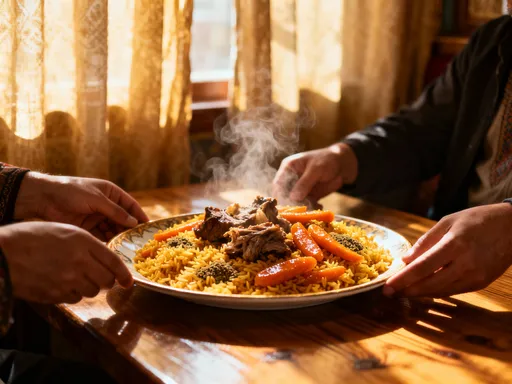
At the heart of this culture is the *sofreh*—a cloth spread on the floor or table that becomes the stage for a meal. It is more than a tablecloth; it is a symbol of unity and abundance. The sofreh is carefully arranged with bread, rice, stews, herbs, yogurt, and sweets, often accompanied by a mirror, a bowl of goldfish, or a copy of the Quran, depending on the occasion. Every item has meaning, and the act of sitting together, cross-legged or on cushions, creates an intimate, egalitarian space where conversation flows as freely as tea.
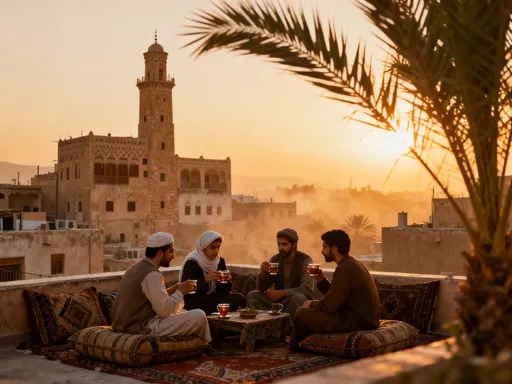
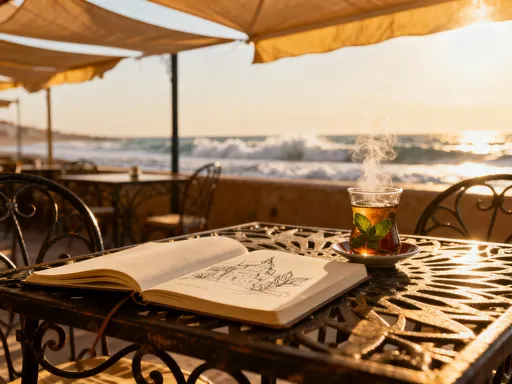
Tea, or *chai*, is the constant companion of every meal and social interaction. Served in clear glasses, often with a cube of rock sugar or a twist of lemon, it is poured from a samovar or ornate teapot. The ritual of offering and accepting tea is a dance of politeness—refusing the first cup is customary, but by the third, it would be rude not to accept. This slow, deliberate pace mirrors the Persian approach to life: thoughtful, generous, and deeply relational. In Shiraz, where time seems to soften at the edges, meals stretch into hours, stories unfold between sips, and strangers become friends over a shared plate of rice.
Must-Try Dishes: Flavors That Define Shiraz
To taste Shiraz is to experience a harmony of textures and flavors—smoky, tangy, sweet, and savory—all balanced with remarkable finesse. While Persian cuisine shares common threads across the country, Shiraz has its own culinary signatures that reflect local tastes and ingredients. One of the most beloved dishes is Kalam Polo, a fragrant rice dish layered with finely chopped cabbage, dill, and sometimes lentils. Slow-cooked to perfection, the rice develops a golden crust known as *tahdig*, which many consider the prize of the meal. The cabbage lends a subtle sweetness and earthiness, making this dish especially comforting during cooler months.
Another standout is Mirza Ghasemi, a smoky eggplant stew that originated in the north but has found a beloved home in Shiraz. Roasted over open flames, the eggplant is mashed and sautéed with garlic, tomato, and turmeric, then enriched with eggs to create a creamy, deeply flavorful dish. It is typically served with warm flatbread and eaten with relish, often as a breakfast or late-night snack. The charred aroma of the eggplant, the pungency of garlic, and the warmth of turmeric come together in a way that feels both rustic and refined—a testament to the Persian ability to elevate simple ingredients.
For those seeking richness and complexity, Fesenjan-e-Gerdoo is a must. This luxurious stew combines ground walnuts and pomegranate molasses with chicken or duck, creating a sauce that is both tart and velvety. Simmered for hours, the dish deepens in flavor, its color turning a deep mahogany. Served over saffron rice, it is a celebration of contrast—sweet and sour, smooth and textured, delicate and hearty. Though enjoyed across Iran, the version in Shiraz often includes a touch of local honey or rosewater, adding a floral note that lingers on the palate.
No meal in Shiraz is complete without Shirazi salad, a refreshing mix of finely diced cucumber, tomato, and red onion, dressed with lime juice, olive oil, and a hint of mint. Crisp, bright, and cleansing, it cuts through the richness of heavier dishes and is always present on the sofreh. Equally essential is Abgoosht, a humble yet profound stew of lamb, chickpeas, white beans, and potatoes, slow-cooked until the meat falls apart. Traditionally, it is served in two parts: the broth is sipped first, often with chunks of bread, while the remaining solids are mashed into a paste and eaten with more bread. This dish, deeply rooted in working-class kitchens, speaks to the Persian value of making the most of what one has—simple, nourishing, and deeply satisfying.
Where to Eat: From Bazaars to Hidden Courtyards
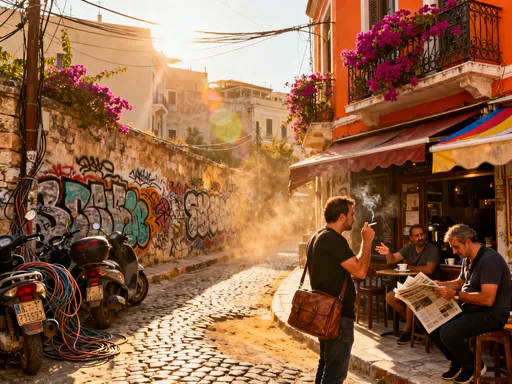
The true essence of Shiraz’s food culture is best discovered not in tourist-oriented restaurants, but in its everyday spaces—bazaars, tea houses, and home kitchens. The Vakil Bazaar, a 18th-century marketplace with arched ceilings and cool stone floors, is a sensory feast. Amid stalls selling spices, carpets, and copperware, small food stands serve steaming plates of kebabs, rice, and stews. One might find an elderly man tending a clay oven, pulling out fresh sangak bread with long metal tongs, or a woman ladling hot soup into bowls for laborers on their lunch break. These are not performances for tourists—they are real moments of daily life, where food is both sustenance and community.
For a more relaxed experience, traditional tea houses offer a window into local rhythms. Often tucked into quiet corners of the city, these spaces feature cushioned seating, intricate tilework, and the constant clink of tea glasses. In the afternoon, families gather, men play backgammon, and the air fills with the scent of saffron and cardamom. Some tea houses serve light meals—cheese with herbs, nuts, and flatbread—but the focus is on conversation and rest. One such place, near the Nasir al-Mulk Mosque, opens onto a courtyard shaded by pomegranate trees, where sunlight filters through stained glass, painting the walls in hues of rose and gold. Sitting here with a glass of tea is not just a meal—it is a meditation.
For a deeper immersion, visitors may have the opportunity to dine in a private home through cultural exchange programs or personal introductions. These sosis khaneh—literally “home restaurants”—are informal gatherings where families open their doors to travelers. Meals are home-cooked, often featuring dishes passed down through generations. There is no menu, no bill, and no rush. Guests are treated as honored visitors, and the experience is as much about connection as it is about food. While not widely advertised, such opportunities can be arranged through local guides or cultural centers, and they offer one of the most authentic ways to experience Persian hospitality.
Street Food Adventures: Quick Bites With Big Flavor
Shiraz’s street food scene is vibrant, accessible, and deeply woven into the fabric of daily life. From dawn until late evening, the city hums with the sounds and smells of cooking—sizzling skewers, crackling flatbreads, and the sweet aroma of baked pastries. One of the most iconic street foods is koobideh, a minced lamb or beef kebab grilled over charcoal. Seasoned simply with onion and spices, the meat is pressed onto flat skewers and cooked until charred on the outside, juicy within. Served with flatbread, grilled tomatoes, and a side of sumac-dusted onions, it is a meal of pure satisfaction.
Equally essential is sangak bread, a long, thin flatbread baked directly on a bed of hot river stones in a clay oven. Its surface is marked with the impressions of the stones, giving it a rustic texture and a slightly smoky flavor. Bakers work in rhythm, sliding the dough onto the stones with wooden paddles and retrieving the finished loaves minutes later. Freshly baked sangak is often torn and shared among friends, dipped into stews or wrapped around kebabs. It is best eaten within hours of baking, making early morning or late afternoon the ideal times to seek it out.
Sweet treats are also part of the street food landscape. Nan-e shekari, or “sugar bread,” is a small, crisp biscuit dusted with granulated sugar and often flavored with cardamom or saffron. It is commonly served with tea and is especially popular during Nowruz, the Persian New Year. Another favorite is baghali polo served in paper cones by street vendors—rice with fava beans and dill, sometimes with small pieces of lamb, offering a portable version of a home-cooked meal. These bites may be simple, but they are full of flavor and meaning, reflecting a culture that values both nourishment and pleasure in everyday moments.
Dining Etiquette & Practical Tips for Visitors
For visitors, especially women aged 30 to 55 who may be traveling solo or with family, understanding local dining customs enhances both comfort and connection. First and foremost, modest dress is expected in all public spaces, including restaurants. Women should wear a headscarf and clothing that covers the arms and legs. This is not only a legal requirement but a sign of respect for local culture. In more traditional settings, such as tea houses or homes, it is customary to remove shoes before entering, so wearing slip-on footwear is practical.
When invited to a meal, it is polite to bring a small gift—fruit, flowers, or sweets are always appreciated. Upon arrival, guests are typically offered tea immediately, and it is considered courteous to accept, even if only a few sips. Meals often begin with a spread of herbs, cheese, and bread, known as *sabzi khordan*, and it is common to eat with the right hand, though utensils are usually provided. It is also customary for the host to serve food, and refusing a second helping may require several polite declines before it is accepted.
Communication can be a challenge for those who do not speak Farsi, but many younger Iranians understand basic English, especially in tourist areas. In smaller eateries, pointing to what others are eating or using a translation app can be effective. It is important to note that many traditional restaurants and street vendors operate on a cash-only basis, so carrying small bills is advisable. Tipping is not expected but appreciated in sit-down restaurants. For those with dietary restrictions, it is helpful to learn a few key phrases, such as “I cannot eat pork” or “I am vegetarian,” as menus may not always specify ingredients.
Finally, patience and openness go a long way. Service may be slow, not out of neglect but because meals are not rushed. Embracing this pace allows visitors to truly experience the warmth and generosity of Shiraz. Smiling, expressing gratitude, and showing interest in the food and its origins are the best ways to build connection and leave with more than just memories of flavor.
Conclusion: Why Shiraz Feeds the Soul
Shiraz is a city that speaks in flavors. Its cuisine is not loud or flashy, but deep and resonant—a reflection of a culture that values patience, care, and connection. To eat in Shiraz is to be welcomed, not as a customer, but as a guest. It is to sit at a sofreh spread with love, to sip tea under the shade of a pomegranate tree, and to taste dishes that have been perfected over generations. The food here does not merely satisfy hunger; it tells stories of the land, the seasons, and the people who have lived on it.
For the traveler seeking authenticity, Shiraz offers a rare gift—the chance to slow down, to share a meal, and to let the rhythms of another culture gently reshape one’s own. In a world that often feels hurried and disconnected, the dining table in Shiraz becomes a sanctuary of presence and warmth. It reminds us that the simplest acts—breaking bread, pouring tea, passing a plate—can be profound expressions of humanity.
To truly know Shiraz, one must taste it. Not in haste, but with attention. Not alone, but in company. Let the saffron stain your rice gold, let the pomegranate seeds burst on your tongue, and let the smoke of the grill carry you into the heart of Persian life. This is more than a meal. This is a journey—one that feeds not just the body, but the soul.