You Won’t Believe What I Ate in Dushanbe
I went to Dushanbe expecting mountains and Soviet-era buildings—but not mind-blowing food. Instead, I found myself lost in a world of fragrant plov, handmade mantu, and street-side shashlik that changed my view of Central Asian cuisine. This city’s dining scene is raw, real, and deeply personal. If you think Tajik food is just dumplings and rice, trust me—you’re in for a shock. Let me take you where the locals eat.
First Bite, Lasting Impression
When I arrived in Dushanbe, my expectations were modest. I had read about its quiet streets, the legacy of Soviet architecture, and the nearby Pamir Mountains, but little about its food. I imagined meals that were simple, perhaps repetitive—rice, bread, boiled meat. What I did not anticipate was a culinary awakening served on a chipped ceramic plate in a dimly lit chaikhana tucked behind a flower market.
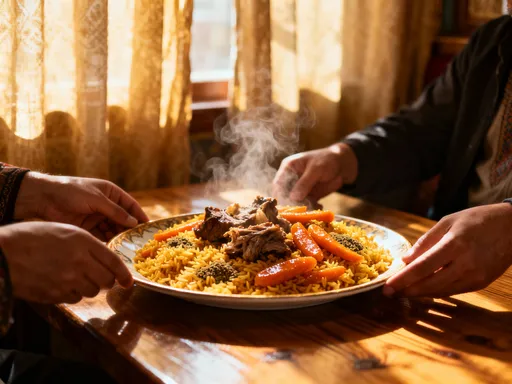
My first real taste of Tajik cuisine came from a small family-run café near the Ismoili Somoni statue, where I was invited to share a table with a group of local men drinking green tea. They gestured for me to sit, and within minutes, a large copper dish was placed at the center of the table. This was plov—the national dish of Tajikistan—and it looked nothing like the versions I had tried in other countries. The rice was golden, stained with carrot and cumin, studded with tender chunks of slow-cooked lamb and whole quail eggs. A layer of crispy, caramelized rice, known as qazmaq, formed the prized bottom crust.
The aroma was intoxicating—smoky, earthy, and rich with the scent of onions and fat. I was handed a spoon and encouraged to dig in from the side, never from the center, which is reserved for the most honored guest. As I took my first bite, the textures unfolded: the softness of the rice, the melt-in-the-mouth lamb, the sweet crunch of carrots, and the deep umami of rendered fat. It was hearty, balanced, and deeply satisfying. In that moment, I understood that food here is not just sustenance—it is memory, identity, and generosity all served on one plate.
This meal set the tone for the rest of my journey. It taught me to look beyond tourist menus and official recommendations. The best food in Dushanbe isn’t found in glossy restaurants but in unassuming places where people gather not to perform culture, but to live it.
The Heart of Tajik Dining: Chaikhanas and Home Kitchens
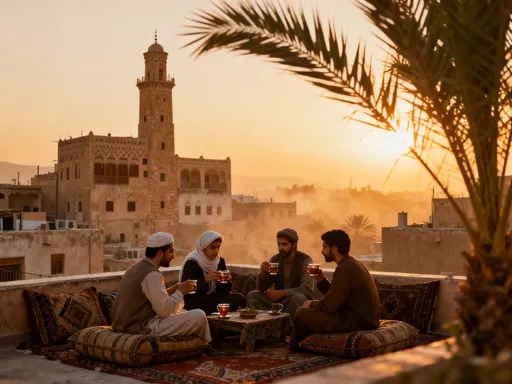
If plov is the soul of Tajik cuisine, the chaikhana is its beating heart. These traditional tea houses are more than places to eat—they are social institutions where families gather, business deals are made, and elders share stories over endless refills of green tea. Stepping into a chaikhana feels like entering a different rhythm of time. The air is warm, thick with the scent of tobacco, bread, and simmering broth. Low wooden tables are set on carpets, and men sit cross-legged on cushions, passing dishes and sipping tea from small glass cups held in ornate metal holders called podstakanniks.
Meals in chaikhanas are communal by design. Dishes are shared, passed around, and replenished without asking. It is common to be offered food even if you’ve just arrived to buy tea. Refusing once is polite; refusing twice may be seen as a slight. I learned this the hard way when I declined a second helping of mantu—steamed dumplings filled with spiced lamb and onion—only to see the host’s face fall slightly. A companion gently whispered, “Here, food is love. To refuse is to reject care.” From then on, I accepted every offer, even if just a small bite.
But the most profound meals I experienced were not in chaikhanas, but in homes. Several times during my stay, I was invited into private residences after brief conversations in markets or parks. These invitations were never transactional; they came from genuine curiosity and kindness. One afternoon, after admiring a woman’s hand-embroidered tablecloth at a craft stall, she invited me to her apartment for lunch. We sat on the floor, and she served qurutob—layered flatbread soaked in a tangy yogurt sauce, topped with fresh herbs, onions, and fried garlic. As we ate, her daughters practiced piano in the next room, and her husband brought out homemade jam made from mountain apricots. There was no agenda, no expectation of return. Just food, conversation, and warmth.
These moments revealed a truth about Dushanbe: its cuisine cannot be fully understood without understanding its people. Hospitality is not a service here—it is a cultural obligation, a point of pride. To share a meal is to offer a piece of your life.
Must-Try Dishes Beyond the Obvious
While plov and mantu are the stars of Tajik cuisine, the real depth lies in the lesser-known dishes that vary by season, region, and family tradition. One of the most distinctive is qurutob, often called the national dish alongside plov. Made with dried salted yogurt balls (qurut) rehydrated into a thick sauce, it is poured over layers of flatbread and garnished with chopped green onions, basil, and sometimes radishes. The flavor is bold—tangy, salty, herbal—and the texture is unexpectedly comforting, like a savory bread pudding. It is typically eaten with the hands, and tearing off pieces of soaked bread becomes a tactile, intimate act.
Another must-try is sambusa, the Central Asian cousin of the samosa. These deep-fried pastries are filled with spiced lamb, onion, and sometimes potato or pumpkin. What sets Tajik sambusa apart is the flakiness of the dough and the balance of spices—cumin, coriander, and a hint of black pepper—without overwhelming heat. They are commonly found at street stalls in the late afternoon, served hot from the oil with a wedge of lemon. I still remember the vendor in the Green Bazaar who handed me one wrapped in newspaper, saying, “Eat it fast—taste fades with the steam.”
Then there is ashak, delicate dumplings filled with leeks and scallions, served swimming in a garlic-infused yogurt sauce and topped with a thin meat broth. Unlike mantu, which are hearty and meat-heavy, ashak are lighter, almost floral in their herbal brightness. They are often served at family gatherings and holidays, a dish that speaks of care and patience. I had my best plate at a weekend market in the Avicenna district, where an elderly woman shaped each dumpling by hand, her fingers moving with decades of practice.
These dishes are not just food—they are stories. Qurutob speaks of preservation and resourcefulness in a land where fresh dairy doesn’t last. Sambusa reflects the Silk Road’s influence, a portable meal for travelers and traders. Ashak embodies the subtlety of mountain cooking, where fresh greens are celebrated. To try them is to taste the layers of history, geography, and resilience that define Tajikistan.
Where the Locals Eat: Hidden Spots and Market Gems
To eat like a local in Dushanbe, you must learn to look beyond signs and menus. The best meals often come from places with no name, no seating, and no English. One of the most vibrant food destinations is the Covered Bazaar, officially known as Bokhtar Hall. This sprawling market is a sensory overload—rows of bright produce, mounds of spices in burlap sacks, and the constant hum of bargaining. But the real magic happens in the food section, where women in headscarves serve steaming plates from behind glass counters.
Here, you’ll find laghman, hand-pulled noodles stir-fried with vegetables and meat, served in deep bowls. The noodles are chewy and slightly oily, perfect for soaking up the savory sauce. Nearby, another stall specializes in o’sh, a spicier version of plov made with tomatoes and peppers, popular in southern Tajikistan. The vendor, a stout man with a thick mustache, proudly told me his recipe came from his grandmother in Khorog. “No carrots,” he said, “just fire and flavor.”
Equally important are the neighborhood non bakeries—small brick ovens built into the sides of buildings, where flatbreads are slapped onto the hot interior walls and baked in minutes. The smell of fresh non, warm and slightly charred, fills entire blocks in the early morning. I made it a habit to buy one each day, tearing off pieces to eat plain or with jam. Some bakeries offer variations—sesame, poppy seed, or even cheese-stuffed—but the plain version remains the favorite, a staple at every meal.
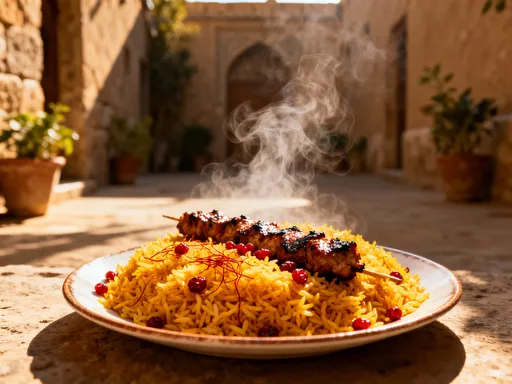
As evening falls, the city’s shashlik culture comes alive. Grills appear on sidewalks, especially along Rudaki Avenue and near parks, where men gather to grill skewers of marinated lamb, beef, or chicken over open flames. The meat is simple—salt, onion, maybe a touch of vinegar—but the charring gives it a smoky depth. Orders are placed by pointing, payments made in cash, and meals eaten standing up or on low plastic stools. It’s informal, immediate, and deeply satisfying. I once shared a plate with a group of university students who insisted I try their favorite spice mix—crushed red pepper and dried mint. “This,” one said, “is how we stay warm in winter.”
From Farm to Table: The Roots of Flavor
The richness of Dushanbe’s cuisine begins long before it reaches the plate. It starts in the mountains, valleys, and small family plots that surround the city. Tajikistan’s agriculture is largely traditional and small-scale, with many families growing their own vegetables, raising livestock, and preserving food for the winter. This farm-to-table cycle is not a trend—it is necessity and heritage.
In the spring and summer, markets overflow with fresh produce: plump tomatoes, cucumbers, radishes, and an array of herbs—dill, cilantro, mint, and basil—sold in huge bunches tied with twine. Fruits are especially prized. Apricots from the south are golden and fragrant, eaten fresh or dried for winter. Melons from the Khatlon region are so sweet they are often served without sugar. Even urban families maintain small gardens on balconies or rooftops, growing tomatoes and greens in repurposed containers.
Meat, while not eaten daily, is central to special meals. Lamb is the preferred choice, often raised free-range in mountain pastures. I visited a village outside the city where a family showed me their flock—small, hardy animals that graze on wild grasses and herbs. “This is why the meat tastes different,” the farmer said. “They eat the mountains.” The animals are typically slaughtered only when needed, ensuring freshness and minimizing waste.
Dairy, too, plays a vital role. Fresh milk, sour cream, and farmer’s cheese are common, but it is the preserved forms that define the cuisine. Qurut, the dried yogurt balls, are made in summer when milk is abundant, then stored for use in winter dishes like qurutob. Kaymak, a thick clotted cream, is spread on bread or used in desserts. These preservation methods are born of necessity but have become culinary signatures—proof that flavor can thrive even in harsh conditions.
What stands out is the pride people take in their ingredients. Packaging may be simple—produce sold in open baskets, meat wrapped in paper—but the quality is evident. There is no need for labels or certifications. When a vendor says “fresh,” they mean it was picked or slaughtered that morning.
Dining Etiquette and Cultural Insights
To truly appreciate Dushanbe’s food culture, one must also understand its unspoken rules. Dining here is not just about taste—it is a ritual shaped by tradition, respect, and community. The first rule I learned: always accept tea. Whether you’re visiting a home, a shop, or a government office, tea will be offered, and refusing is considered impolite. Green tea is the standard, served hot and strong, often with a cube of sugar on the side. It is sipped slowly, in small amounts, and refilled constantly. The act of sharing tea is as important as the drink itself.
Handwashing is another common practice before meals, especially in homes and chaikhanas. A basin of water and a towel are passed around, and guests are expected to wash their hands before eating with them. When sharing food from a central dish, use your right hand only—left hands are considered unclean in many traditional contexts. Tear bread gently, never pull it apart aggressively, and never place your hand directly in the main serving dish. Instead, use a piece of bread to scoop or accept food passed to you on a separate plate.
Conversation is an essential part of every meal. Rushing is frowned upon. A simple lunch can last two hours, filled with stories, jokes, and questions about your life. It is common for hosts to ask deeply personal questions—not out of nosiness, but out of genuine interest. “Where is your family?” “Are you married?” “Do you have children?” These are not small talk—they are bridges to connection.
When the meal ends, gratitude is expressed not just with words but with gestures. Placing your right hand over your heart while saying “rahmat” (thank you) is a sign of deep appreciation. Leaving a little food on your plate is acceptable—some say it shows you were served generously. But finishing everything may prompt an immediate refill. I learned to pause before the last bite, waiting for the host’s signal.
Understanding these customs transforms the experience from observation to participation. It is not enough to eat the food—you must honor the culture that created it.
Why Dushanbe’s Food Scene Deserves Global Attention
Dushanbe challenges everything we think we know about post-Soviet cities. It is not a place of decay or monotony, but of quiet vibrancy, resilience, and warmth. Its food scene, long overlooked by global travelers, offers something increasingly rare: authenticity without performance. There are no staged cooking shows, no Instagram-optimized plating, no fusion gimmicks. What you get is food made the way it has been for generations—simple, honest, and full of soul.
In a world where culinary tourism often feels commercialized, Dushanbe reminds us that the most meaningful meals are not the most photographed, but the most shared. It is a city where strangers become hosts, where a question about bread leads to an invitation for lunch, where food is never just food—it is language, memory, and love.
The flavors of Dushanbe linger long after the last bite. Not just on the palate, but in the heart. They speak of a culture that values generosity over profit, tradition over trend, and connection over convenience. To eat here is not to sample a cuisine, but to be welcomed into a way of life.
So if you ever find yourself in Central Asia, don’t just pass through. Stay. Sit down. Accept the tea. Let someone guide your hand to the best piece of plov or the crispiest sambusa. Ask questions. Listen. Taste with curiosity and humility. Because in Dushanbe, the table is not just where you eat—it is where you belong.