White Nights, Golden Parties: Saint Petersburg's Festival Soul Uncovered
Ever wondered what it feels like to dance under a midnight sun in a city where palaces whisper history and every summer breathes celebration? Saint Petersburg’s festival culture is nothing short of magical. Between late May and mid-July, the city pulses with energy as near-constant daylight blurs the line between day and night. The White Nights transform urban life, turning streets into open-air stages and inviting locals and travelers alike into a rhythm of music, light, and shared joy. This is not just tourism—it’s immersion in a living cultural tradition, where grand theaters, riverside fireworks, and spontaneous street performances come together in one unforgettable summer symphony.
The Magic of White Nights: When Day Meets Night in Saint Petersburg
Saint Petersburg’s most enchanting natural phenomenon—the White Nights—is the foundation of its summer festival season. Occurring annually from late May to mid-July, this period brings nearly 20 hours of daylight, with twilight lingering so softly that true darkness never fully arrives. The sun dips below the horizon only briefly, casting a golden glow across the Neva River and illuminating the city’s baroque facades in an ethereal, almost dreamlike light. This unique astronomical event results from the city’s northern latitude, situated just south of the Arctic Circle, where the Earth’s tilt allows for extended sunlight during the summer solstice.
The White Nights do more than create a surreal visual experience—they fundamentally alter the rhythm of daily life. Residents stay awake later, cafes remain open past midnight, and families stroll along the embankments well into the early morning hours. The extended daylight encourages outdoor living and fosters a sense of collective celebration. It’s not uncommon to see people reading books on park benches at 1 a.m. or enjoying ice cream as the sky remains bathed in soft amber hues. This atmosphere of perpetual twilight creates a dreamy, almost timeless quality that sets the perfect stage for festivals.
Tourists often describe the sensation as being caught between reality and fantasy. The city feels both awake and enchanted, as if ordinary rules of time have been suspended. This unique environment is why summer is the most popular time to visit Saint Petersburg. The White Nights are not just a backdrop; they are an active participant in the cultural life of the city, amplifying the emotional impact of music, dance, and public gatherings. The phenomenon has inspired poets, composers, and artists for centuries, including Tchaikovsky and Dostoevsky, both of whom referenced the disorienting beauty of these luminous nights in their works.
For visitors, the White Nights offer more than just scenic beauty—they provide practical advantages. With daylight stretching into the early morning, there is more time to explore museums, take boat tours, or attend open-air concerts without feeling rushed. The city’s bridges, famous for their nightly drawbridges during the navigation season, become spectacles in themselves, with illuminated spans rising to allow ships passage under a glowing sky. This combination of natural wonder and urban spectacle makes the White Nights not just a seasonal curiosity, but the very heartbeat of Saint Petersburg’s cultural identity.
The Stars of the Season: Key Festivals That Define Summer
At the center of Saint Petersburg’s summer calendar are two iconic events: the White Nights Festival and the Scarlet Sails celebration. These festivals, while distinct in character, share a common spirit of grandeur, inclusivity, and artistic excellence. Together, they draw hundreds of thousands of visitors each year and serve as powerful symbols of the city’s cultural vitality.
The White Nights Festival, officially known as the Stars of the White Nights, is an internationally acclaimed arts festival hosted primarily at the historic Mariinsky Theatre. Running from late May through July, it features a curated program of opera, ballet, and classical music performances by world-renowned artists and ensembles. The festival was established in 1993 under the direction of Valery Gergiev, who transformed it into one of Europe’s most prestigious cultural events. Performances often include works by Russian composers such as Stravinsky, Shostakovich, and Rachmaninoff, as well as international repertoire. The acoustics of the Mariinsky’s main stage, combined with the elegance of its imperial-era architecture, create an unmatched concert experience.
What sets the White Nights Festival apart is its accessibility. While premium tickets offer front-row views, the city also broadcasts select performances on large screens in Palace Square, allowing thousands to enjoy world-class artistry for free. This blend of high culture and public engagement reflects Saint Petersburg’s deep commitment to the arts as a shared civic treasure. The festival also includes chamber music recitals, masterclasses, and international guest performances, making it a comprehensive celebration of musical excellence.
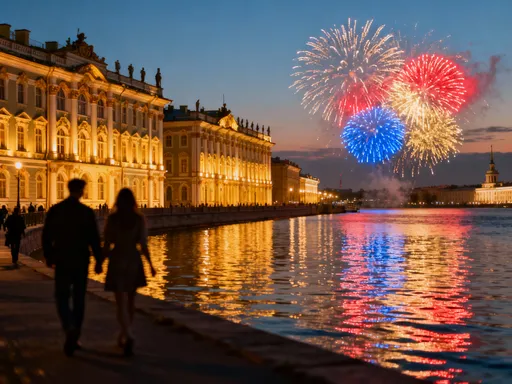
Equally beloved—but in a more exuberant, youthful spirit—is the Scarlet Sails celebration. Held annually in mid-June, it marks the end of the school year and honors graduating students with a spectacular show on the Neva River. The centerpiece is a full-rigged ship with crimson sails that glides past the Winter Palace, accompanied by a symphony of fireworks, laser displays, and live music concerts. Inspired by Alexander Grin’s early 20th-century novel of the same name, the event symbolizes hope, freedom, and the promise of new beginnings.
Scarlet Sails is not just a performance; it is a mass celebration. Families gather along the riverbanks, students wear white shirts and wave red flags, and the entire city seems to pause in collective awe. The event is free and open to all, embodying a spirit of unity and optimism. In recent years, attendance has reached over 800,000 people, making it one of the largest public gatherings in Russia. The combination of storytelling, visual spectacle, and emotional resonance makes Scarlet Sails a highlight of the summer season—a moment when art, tradition, and public joy converge in unforgettable harmony.
Planning Your Trip: Timing, Tickets, and Travel Hacks
Visiting Saint Petersburg during festival season requires thoughtful planning, especially given the surge in tourism between May and July. The peak period for most events falls between June 10 and June 25, when both the White Nights Festival and Scarlet Sails take place. To secure the best accommodations and flight rates, travelers should book at least three to four months in advance. Early reservations not only increase options but also help avoid last-minute price hikes, which are common during major cultural events.
When it comes to tickets, strategy is key. For performances at the Mariinsky Theatre, official tickets can be purchased through the theater’s website or at the box office. It is advisable to buy online well in advance, as popular shows—especially those featuring principal dancers or guest conductors—sell out quickly. Prices vary depending on seating, with orchestra-level seats commanding the highest rates. However, affordable options are available, including balcony seats and standing-room tickets, which offer a budget-friendly way to experience world-class performances.
For those unable to secure indoor tickets, the outdoor broadcasts in Palace Square provide a compelling alternative. These free events are professionally produced, with high-quality sound systems and large LED screens, ensuring a clear view of the stage. Arriving early—two to three hours before the broadcast—is recommended to secure a good viewing spot, particularly along the central axis of the square. Bringing a lightweight blanket or foldable chair can enhance comfort during long outdoor events.
Travelers should also consider purchasing a Saint Petersburg Tourist Card, which offers access to multiple museums, public transportation, and discounts at select restaurants and shops. The card can be especially valuable for visitors planning to explore the Hermitage, the Russian Museum, or take guided boat tours along the city’s canals. Additionally, downloading offline maps and translation apps can help navigate language barriers, particularly when using public transit or ordering food at local eateries.
One often-overlooked tip is to avoid arriving on the exact day of Scarlet Sails. The city experiences extreme crowding, with many public areas closed off for security and logistics. Staying an extra day before or after the event allows for a more relaxed experience and better photo opportunities at iconic sites like the Peter and Paul Fortress or the Church of the Savior on Spilled Blood, which are less congested outside peak hours.
Where to Stay: Neighborhoods That Put You in the Heart of the Action
Choosing the right neighborhood can significantly enhance a visitor’s experience during festival season. Central districts such as Admiralteysky, Petrogradskaya, and Vasilevsky Island each offer unique advantages in terms of location, ambiance, and accessibility. Staying in these areas ensures proximity to major events, reduces travel time, and allows for spontaneous exploration of evening festivities.
Admiralteysky, located just south of the Neva River, is the most central and convenient district for festival-goers. It encompasses Nevsky Prospekt, the city’s main thoroughfare, which connects key landmarks such as the Kazan Cathedral, Gostiny Dvor shopping center, and the Anichkov Bridge. Hotels in this area range from luxury establishments to boutique guesthouses, many of which offer views of the river or historic architecture. Walking to Palace Square or the Mariinsky Theatre takes less than 20 minutes, making it ideal for attending daytime tours and evening performances.
Petrogradskaya, situated on a narrow island between the Neva and the Malaya Neva, offers a slightly quieter atmosphere while remaining well-connected. Home to the Peter and Paul Fortress and the Kinoteatr Zhivaya Karta cinema, this district appeals to travelers who appreciate history and local culture. The area has a more residential feel, with tree-lined streets and charming cafes, yet it is only a short metro ride from the city center. During the festival season, it becomes a popular base for families and those seeking a balance between convenience and tranquility.
Vasilevsky Island, stretching westward into the Gulf of Finland, is another excellent option, particularly for visitors interested in academic and cultural institutions. The island hosts Saint Petersburg State University, the Twelve Collegia building, and the Stock Exchange Embankment, where the Scarlet Sails ship departs. Accommodations here tend to be modern and well-appointed, with many apartments available for short-term rental. The First Line street, with its row of historic mansions and scenic views, is especially picturesque at night during the White Nights.
Regardless of location, booking early is essential. Hotels and vacation rentals fill up quickly, and last-minute options are often limited or overpriced. Travelers should prioritize properties with good metro access, as the underground system is the most reliable way to navigate the city during crowded events. Staying near a metro station not only saves time but also ensures safe and efficient travel after late-night shows, when streets may be packed with festival attendees.
Beyond the Main Stage: Hidden Cultural Gems and Local Experiences
While the official festivals offer grand spectacles, some of the most memorable moments in Saint Petersburg happen off the beaten path. Exploring beyond the main program reveals a city rich in grassroots creativity and intimate cultural expressions. These hidden experiences allow travelers to connect more deeply with local life and discover the authentic soul of the city.
One such gem is the spontaneous street performances that emerge in Palace Square and Senate Square during the festival season. Local musicians, dancers, and theater groups often gather to share their art, creating impromptu shows that draw small but enthusiastic crowds. These performances, though unofficial, reflect the city’s deep-rooted love for the arts and provide a more personal, interactive experience than formal concerts. Visitors might stumble upon a violinist playing Tchaikovsky beneath the Alexander Column or a ballet student rehearsing on the steps of the General Staff Building—fleeting moments of beauty that linger in memory.
Rooftop viewings of the Scarlet Sails fireworks have also become a cherished tradition among locals. While the riverbanks are packed, certain hotels and restaurants offer rooftop terraces with panoramic views of the Neva. Reservations are required and often book out months in advance, but the experience is worth the effort. Watching the sky explode in color while sipping herbal tea or hot chocolate creates a magical contrast between warmth and the cool summer night air. For those without access to private venues, public viewpoints such as the Observation Deck at the Lakhta Center or the rooftop of the Peter and Paul Fortress provide excellent alternatives.
Community-run art fairs and craft markets are another way to engage with local culture. Held in courtyards, parks, and cultural centers, these events showcase handmade jewelry, traditional embroidery, and illustrated books by independent artists. The New Holland Island cultural space frequently hosts summer exhibitions and pop-up markets, blending contemporary design with historical context. Participating in a workshop—such as matryoshka painting or folk song singing—offers hands-on insight into Russian traditions and creates meaningful souvenirs.
Equally rewarding is striking up conversations with residents. Many locals are proud of their city’s cultural heritage and enjoy sharing personal stories about past festivals, favorite music, or childhood memories of watching the Scarlet Sails. Simple gestures—such as greeting with a polite “Zdravstvuyte” (Hello) or thanking with “Spasibo”—can open doors to warm interactions. These human connections transform a visit from sightseeing into genuine cultural exchange, enriching the overall experience.
Navigating the City: Getting Around Safely and Efficiently
Saint Petersburg is a large and historic city, but its transportation system is modern, efficient, and designed to accommodate both residents and tourists. The metro is widely regarded as one of the cleanest and most reliable in Europe, with five lines connecting major districts, tourist sites, and cultural venues. Stations such as Admiralteyskaya, Nevsky Prospekt, and Sportivnaya are within walking distance of festival hotspots, making the underground the preferred mode of travel during peak season.
Tickets can be purchased at any station using cash or card, and multi-day passes are available for unlimited rides. The unified transport card, called Podorozhnik, can be loaded with trips and used across the metro, buses, and trams. For short distances, walking is often the best option, especially along Nevsky Prospekt or the embankments, where scenic views and street performers make the journey part of the experience. However, comfortable footwear is essential, as cobblestone streets and long distances can be tiring.
For late-night travel, ride-hailing apps such as Yandex.Taxi and Citymobil are safe, affordable, and widely used. These services offer GPS tracking, upfront pricing, and English-language interfaces, making them accessible to international visitors. Unlike unlicensed taxis, they provide a secure and transparent way to get around, especially after midnight when public transit frequency decreases. It is advisable to carry some cash for small vendors, ticket booths, or local markets, as not all accept cards.
Safety is generally excellent for tourists, particularly in central areas. The city has a visible police presence during major events, and locals are typically respectful and helpful toward visitors. Women traveling alone report feeling secure, especially in well-lit, populated areas. As in any large city, basic precautions—such as keeping valuables out of sight and staying aware of surroundings—are recommended. Overall, Saint Petersburg welcomes travelers with warmth and dignity, offering a safe and enriching environment to experience its cultural treasures.
Closing the Circle: Why Festival Culture Matters—and How to Carry It Home
The festivals of Saint Petersburg are more than entertainment—they are acts of cultural preservation, community building, and human connection. To stand on the Neva embankment at 2 a.m., surrounded by strangers smiling under a golden sky, is to feel part of something timeless. These moments remind us that celebration is not merely a luxury, but a fundamental expression of who we are. The city’s dedication to the arts, its reverence for history, and its openness to shared joy offer a powerful model for how culture can unite people across generations and geographies.
Participating in the White Nights is not just about seeing beautiful things; it is about feeling them. The resonance of a symphony in the Mariinsky, the glow of fireworks on water, the laughter of students on Scarlet Sails night—these experiences awaken a deeper sense of wonder and belonging. They challenge the fast pace of modern life and invite us to slow down, to look up, to stay out just a little longer under the light that refuses to fade.
And while the journey may end, the rhythm remains. Travelers return home with more than photographs—they carry a renewed appreciation for beauty, tradition, and the simple act of gathering together. The spirit of Saint Petersburg’s festivals can be woven into daily life: by attending local concerts, supporting the arts, or simply sharing stories with loved ones. In this way, the magic of the White Nights does not belong only to Russia—it becomes part of a global heritage of celebration, waiting to be rediscovered, one luminous moment at a time.