You Won’t Believe What Tuscany’s Wild Side Has in Store
Tuscany isn’t just rolling vineyards and postcard-perfect villages—its raw, untouched nature will blow you away. I went off the map and discovered sun-drenched hills, secret woodlands, and wildflower-drenched meadows that feel worlds away from the crowds. This is the real Tuscany: untamed, quiet, and deeply alive. If you're craving landscapes that stir your soul without the tourist chaos, let me show you where to go—and how to do it right.
Why Tuscany’s Natural Beauty Stands Out
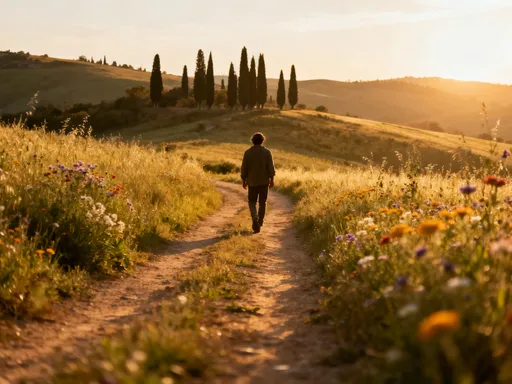
Tuscany’s charm lies in its delicate balance between cultivated elegance and wild, unspoiled terrain. While many travelers flock to its iconic hilltop towns and renowned wineries, fewer venture into the sweeping highlands, deep forests, and open meadows that define its less-trodden heart. What sets this region apart is not just its visual poetry—the silhouettes of cypress trees against golden light, the patchwork of olive groves and wheat fields—but the way nature and human stewardship coexist in harmony. For centuries, local farmers have shaped the land with care, creating a landscape that feels both timeless and alive. Yet beyond these cultivated zones, vast stretches remain untouched, where wild herbs perfume the air and ancient stone trails lead into silence.
This duality is what makes Tuscany truly unique. Unlike regions where nature has been fully domesticated or overtaken by tourism, here the wild still breathes between the rows of grapevines and beyond the edge of mapped roads. The soft hills of Val d’Orcia, recognized as a UNESCO World Heritage Site, are not just picturesque—they are ecologically rich, supporting diverse plant and bird life. The Crete Senesi, with its lunar-like clay hills, may look desolate at first glance, but they host resilient flora and offer a rare sense of solitude. Even in areas shaped by agriculture, native species thrive, and seasonal changes bring dramatic transformations. Spring blankets the land in poppies and chamomile; autumn turns the forests into mosaics of amber and rust.
Stepping beyond the famous towns like Siena or San Gimignano reveals a quieter, more introspective side of Tuscany—one that invites slow travel and deeper connection. Without the constant hum of tour buses or the press of crowded piazzas, visitors can experience the region as locals do: through the rhythm of the seasons, the scent of sun-warmed earth, and the quiet beauty of a landscape that doesn’t perform but simply exists. This authenticity is increasingly rare in today’s travel world, making Tuscany’s wild heart not just beautiful, but precious. For those willing to explore with respect and curiosity, it offers a profound sense of peace and renewal.
Choosing the Right Regions for Authentic Natural Experiences
To experience Tuscany’s untamed side, it helps to know where to look. While central areas like Chianti and Montepulciano draw large numbers of visitors, the region’s true wilderness lies further afield—in the Crete Senesi, the Maremma coastal belt, and the foothills of the northern Apennines. Each of these areas offers a distinct natural character, from arid clay plateaus to dense Mediterranean scrub and forested highlands. Choosing the right destination depends on your travel style, whether you seek long hikes, scenic drives, or peaceful retreats surrounded by nature.
The Crete Senesi, southeast of Siena, is one of Tuscany’s most surreal landscapes. Its eroded clay hills, known locally as “biancane,” rise like ghostly formations from the earth, creating a terrain that feels almost otherworldly. This area sees far fewer tourists than the nearby Val d’Orcia, making it ideal for those who value solitude. The roads here are quiet, the skies vast, and the sense of space palpable. While not suited for dense forests or alpine views, the Crete Senesi offers a unique geological beauty and excellent opportunities for photography, especially at sunrise or dusk when the light casts long shadows across the hills.
Further west, the Maremma region unfolds along the Tyrrhenian coast, blending wild coastline with inland woodlands and wetlands. Once considered marshy and remote, this area is now celebrated for its biodiversity. The Maremma Regional Park protects thousands of hectares of oak forests, sand dunes, and freshwater lagoons that serve as habitats for deer, wild boar, and numerous bird species, including herons and kingfishers. It’s a paradise for nature lovers, offering well-marked trails, cycling paths, and opportunities to spot wildlife. The coastal stretches remain unspoiled, with few developments and long stretches of sandy beach accessible only by foot or bike.
In the north, the Apennine foothills near Garfagnana and Lunigiana provide a greener, more rugged experience. Nestled between Emilia-Romagna and Liguria, these mountains remain largely undiscovered by mainstream tourism. Thick beech and chestnut forests cover the slopes, streams tumble down rocky channels, and stone villages cling to steep hillsides. The terrain here supports longer hiking routes, including sections of the historic Francigena pilgrimage trail. With cooler temperatures and lush vegetation, this area is perfect for summer escapes or autumn foliage viewing. Each of these regions offers something different, but all share a common trait: they allow travelers to move at a slower pace, immersed in nature rather than navigating crowds.
Best Times to Visit for Ideal Weather and Scenery
Timing is key to enjoying Tuscany’s wild landscapes to their fullest. While the region is beautiful year-round, certain seasons offer optimal conditions for outdoor exploration, balancing pleasant weather, vivid scenery, and manageable visitor numbers. Spring, particularly from mid-April to early June, is widely considered the most rewarding time to visit. During these months, the countryside bursts into color—fields are carpeted with red poppies, yellow broom, and white daisies, while almond and cherry trees bloom in soft pinks and whites. The air is fresh, temperatures are mild (averaging 15–22°C or 59–72°F), and the light has a soft, golden quality ideal for photography.
Spring also brings renewed wildlife activity. Birds return from migration, butterflies flit across meadows, and wild herbs like rosemary and thyme begin to flourish, releasing their fragrance with every breeze. Trails are dry enough for walking but not yet baked hard by summer heat, making hikes more comfortable. This season attracts a moderate number of tourists, but because most focus on cities and famous towns, the remote natural areas remain peaceful. A visit in May, in particular, offers the perfect blend of beauty and tranquility, with long daylight hours and minimal rainfall.
Summer, from late June to August, brings intense heat, especially in the inland valleys where temperatures can exceed 35°C (95°F). While the golden plains and shimmering horizons create a dramatic aesthetic, midday exploration can be uncomfortable without proper preparation. However, early mornings and late afternoons remain pleasant, and higher elevations in the Apennines offer cooler relief. If you visit during this season, plan outdoor activities for cooler parts of the day and prioritize shaded trails or forested areas. Coastal Maremma benefits from sea breezes, making it a viable summer destination for those seeking both nature and respite from the heat.
Autumn, from September to October, rivals spring as a prime travel window. The summer crowds have thinned, the air turns crisp, and the landscape softens into warm, muted tones. Vineyards glow with autumn color, chestnut forests drop their nuts, and the light takes on a honeyed glow that enhances every photograph. Temperatures range from 18–25°C (64–77°F) in early autumn, cooling gradually as November approaches. This is also truffle season in many parts of Tuscany, adding a culinary dimension to nature walks. November can be rainy, but even then, brief clear days reveal misty valleys and reflective puddles that add poetic depth to the scenery. Winter is the quietest season, with frosty mornings and bare trees, but it rewards those who appreciate stillness and solitude.
Getting Around Tuscany’s Natural Areas: Transport Tips
Navigating Tuscany’s wilder regions requires thoughtful planning, especially when venturing beyond well-connected towns. The most practical and flexible option is renting a car. While public transportation serves major destinations like Florence, Siena, and Pisa reliably, it becomes sparse or nonexistent in remote zones such as the Crete Senesi, Maremma interior, or Apennine foothills. A personal vehicle allows you to explore at your own pace, stop at scenic overlooks, and access trailheads that are otherwise difficult to reach.
Rural roads in Tuscany vary in condition. Many are well-maintained asphalt roads, but others—especially those leading to isolated farms or natural sites—are narrow, winding, and paved with gravel or packed dirt. These “white roads,” known as *strade bianche*, are iconic in cycling culture and can be navigated by standard rental cars if driven carefully. However, low-clearance vehicles may struggle on rougher stretches, so choosing a slightly elevated compact SUV or hatchback with good ground clearance is advisable for extended off-main-road travel. Always check your rental agreement for restrictions on unpaved roads, as some companies do not permit them.
GPS navigation is helpful but not infallible in remote areas. Cellular signal can be weak or absent, and mapping apps may not accurately reflect recent road changes or closures. To avoid getting lost, carry a physical map or download offline maps before departure. Local tourist offices often provide detailed regional maps that include walking and cycling trails, forest access points, and protected areas. When in doubt, ask for directions at small villages or agriturismi—locals are typically welcoming and happy to guide respectful visitors.
Parking is generally easy outside tourist hotspots. Most villages have free or low-cost parking on the outskirts, and rural pull-offs along scenic routes accommodate short stops. However, near popular natural attractions or during peak festivals, spaces may fill quickly. Fuel stations are available in towns and along major highways, but they become less frequent in mountainous or coastal backroads. Refueling whenever you pass a station is a wise precaution. For those preferring eco-friendly options, cycling is excellent in flatter zones like Val d’Orcia or along the Maremma coast, where dedicated paths exist. E-bikes are increasingly popular and make hilly terrain more accessible, especially for older travelers or those seeking a gentler pace.
What to Pack for a Nature-Centered Trip
Packing wisely enhances both comfort and enjoyment when exploring Tuscany’s natural landscapes. The region’s climate and terrain demand practical, layered clothing and durable gear. Sturdy walking shoes or hiking boots are essential—trails can be uneven, rocky, or slippery, especially after rain. Avoid smooth-soled footwear, which offers little grip on dirt paths or gravel roads. Breathable socks made of wool or moisture-wicking fabric help prevent blisters during long walks.
Layering is key, as temperatures can vary significantly between morning and afternoon, especially in spring and autumn. A lightweight jacket or windbreaker provides protection against sudden breezes, while a breathable long-sleeve shirt offers sun coverage without overheating. In summer, light, loose-fitting clothing in natural fibers like cotton or linen helps manage heat, but always include a hat, sunglasses, and high-SPF sunscreen. The Tuscan sun is strong, and shade can be scarce in open fields or hilltops.
Carry at least one liter of water per person per hike—more on longer or hotter days. Dehydration can occur quickly, even if you don’t feel thirsty. A reusable water bottle or hydration pack is both eco-friendly and practical. Many villages have public fountains with drinkable water, especially in historic centers, allowing you to refill along the way. For meals, consider bringing a simple picnic set: a foldable blanket, reusable containers, and cutlery. Local markets in towns like Pienza, Grosseto, or Barga offer fresh bread, cheeses, olives, and seasonal fruits, making it easy to assemble a delicious, authentic meal to enjoy in a scenic spot.
Other useful items include a compact first-aid kit, insect repellent (especially in wooded or wetland areas during warmer months), and a small backpack to carry essentials. A lightweight map or trail guide complements digital navigation, and a notebook or camera helps capture memories. Avoid overpacking—focus on versatility and function. With the right preparation, you’ll be ready to immerse yourself fully in Tuscany’s natural beauty, moving freely and comfortably through its wild spaces.
Hidden Trails and Scenic Spots Most Tourists Miss
While Tuscany’s famous viewpoints draw photographers from around the world, some of its most breathtaking spots remain quietly off the radar. These lesser-known locations offer panoramic vistas, serene forests, and moments of pure solitude. In the Val d’Orcia, for example, a quiet lane near the village of San Quirico d’Orcia leads to a hilltop overlook that faces east—perfect for sunrise views over mist-filled valleys and cypress rows. Unlike the crowded spots near Pienza, this area sees few visitors, allowing for peaceful contemplation.
Further south, the Colline Metallifere—named for their historic mining past—hold a network of forest trails winding through chestnut groves and abandoned quarries. These areas are rich in geological interest and birdlife, with clearings that bloom with wildflowers in spring. One scenic route follows an old mule path that connects two medieval hamlets, offering views of volcanic rock formations and distant peaks. Though not marked on all tourist maps, these trails are safe and well-trodden by locals, with clear paths and occasional stone markers.
In the northern Apennines, near the town of Castelnuovo di Garfagnana, a riverside trail follows the Serchio River through a shaded canyon. The path is flat and family-friendly, crossing wooden footbridges and passing old mills and stone chapels. The sound of flowing water and the cool forest air create a refreshing escape, especially in summer. Another hidden gem lies in the hills above Massa Marittima, where a loop trail circles a natural spring surrounded by oak and pine. The site is peaceful, with a small stone basin where hikers can dip their hands in cool, clear water.
For those who love panoramic views without the climb, a country road between Montalcino and Castiglione d’Orcia offers multiple pull-offs with sweeping vistas of vineyards and distant mountains. These spots are ideal for quiet picnics or late-afternoon light. While not secret to locals, they are rarely included in guidebooks, meaning you’re more likely to have them to yourself. Exploring these places requires a bit of curiosity and a willingness to slow down, but the rewards—a sense of discovery, unspoiled beauty, and deep connection to the land—are immeasurable.
Respecting Nature While Exploring Responsibly
As more travelers seek authentic natural experiences, the importance of responsible exploration grows. Tuscany’s wild landscapes are fragile, shaped by centuries of balance between human activity and ecological systems. To preserve their beauty and integrity, visitors must adopt a mindset of care and restraint. The Leave No Trace principles offer a simple but powerful framework: stay on marked paths, pack out all trash, avoid picking plants or disturbing wildlife, and leave natural and cultural features as you found them.
Staying on trails prevents soil erosion and protects delicate plant life, especially in sensitive areas like the Crete Senesi, where the thin topsoil is easily damaged. Straying from paths may seem harmless, but repeated foot traffic can lead to widening trails and habitat fragmentation. Similarly, feeding or approaching wild animals—such as deer, foxes, or birds—can disrupt their natural behaviors and create dependency. While it’s tempting to get closer for a photograph, observing from a distance ensures both your safety and the animal’s well-being.
Many of Tuscany’s natural areas are protected under regional or national park regulations. These rules exist to safeguard biodiversity and maintain ecological balance. They may include restrictions on camping, open fires, drone use, or off-road driving. Always check local guidelines before visiting, especially in parks like Maremma or the Apuan Alps. Respecting these rules isn’t just about compliance—it’s about honoring the land and ensuring future generations can enjoy it too.
Slow travel is one of the most meaningful ways to practice respect. Instead of rushing from one viewpoint to the next, take time to sit, listen, and observe. Notice the way light moves across a field, the sound of wind in the trees, or the scent of wild herbs after rain. These quiet moments create deeper memories than any photograph. By traveling with awareness and humility, you become a guest in the landscape rather than a consumer of it. And in doing so, you help protect the very qualities that make Tuscany’s wild side so special.
Tuscany’s true magic lies beyond the guidebooks—in its wild, open spaces that invite reflection and connection. By choosing thoughtful destinations, traveling with care, and embracing simplicity, you’ll experience a side of Italy that stays with you long after you leave. The land speaks softly here; all you need to do is wander and listen.