You Won’t Believe What’s Hiding Behind Neuschwanstein Castle’s Fairy-Tale Walls
Nestled in the Bavarian Alps, Neuschwanstein Castle looks like it’s straight out of a Disney movie—but the real magic isn’t just in the turrets and towers. I was blown away by the wild, untouched nature surrounding it. Lush forests, misty meadows, and quiet trails reveal a side most tourists miss. This isn’t just a castle visit—it’s a full sensory escape into Germany’s breathtaking natural heart. While millions come each year to glimpse the fairy-tale façade, few take the time to wander beyond the ticket lines and official viewpoints. Yet, just a short walk from the castle’s grand entrance, a quieter world unfolds: alpine lakes that mirror the sky, forest paths carpeted in moss, and meadows alive with the rustle of unseen creatures. This is where the true story of Neuschwanstein begins—not in stone and mortar, but in the living landscape that inspired its creation.
The Castle and Its Natural Stage
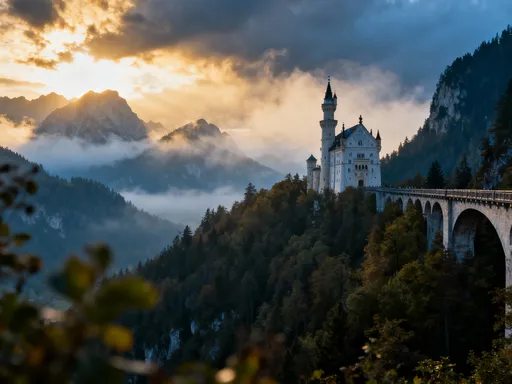
Neuschwanstein Castle does not stand in isolation—it rises from the land as though born of it. Perched on a rugged hill above the village of Hohenschwangau, the castle’s dramatic silhouette is only half the spectacle. The other half is the natural amphitheater that cradles it: steep forested slopes, deep river gorges, and the broad sweep of the Alp Valley below. From the moment visitors cross Marienbrücke, the famous wooden bridge spanning the Pöllat Gorge, the full scale of this harmony becomes clear. The castle looms above, yes, but it is framed by evergreen peaks, drifting morning fog, and the sudden flash of sunlight on wet stone after a rain shower. This is not accidental scenery; it is deliberate theater. King Ludwig II, who commissioned the castle in the 19th century, did not merely want a royal residence. He envisioned a retreat that would blend myth, architecture, and nature into a single poetic statement. The location was chosen not for defense or convenience, but for its emotional power—its ability to inspire awe and introspection.
The landscape around Neuschwanstein is best described as alpine drama in miniature. The castle sits at about 2,600 feet above sea level, where the air is crisp and the light has a crystalline clarity. In the early morning, mist often curls up from the valley like breath from the earth, softening the edges of the forest and making the castle appear to float. By midday, the sun reveals the full texture of the terrain: jagged rock outcrops, clusters of wild raspberries along the trails, and the occasional chamois pausing on a distant ridge. The Pöllat River rushes through the gorge below, its roar a constant companion to hikers crossing the bridge. This sensory richness is not incidental. It is integral to the experience. Tourists who rush from the parking lot to the guided tour miss the most profound part of the journey—the slow revelation of place. The castle was designed to be discovered gradually, through winding paths and unexpected clearings, each turn offering a new composition of stone, sky, and tree.
Hiking Trails That Lead Beyond the Crowds
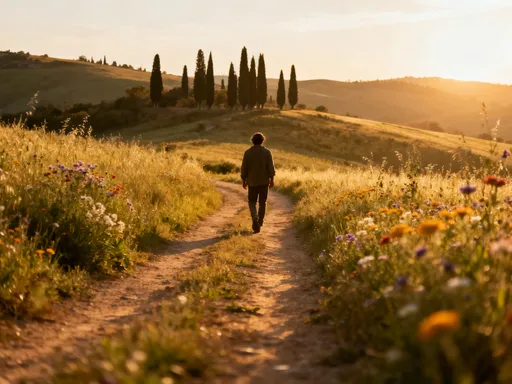
For those willing to lace up their walking shoes, the network of trails around Neuschwanstein offers an entirely different rhythm of exploration. While the main tourist route leads directly from the shuttle drop-off to the castle entrance, veering off this path opens up a world of quiet immersion. One of the most rewarding hikes begins in the village of Hohenschwangau and follows a gentle incline through mixed woodland toward Alpsee Lake. This 2.5-mile loop takes about 1.5 hours at a leisurely pace and is suitable for most fitness levels. The trail winds past moss-covered boulders, crosses small wooden footbridges, and occasionally breaks through the trees to reveal panoramic views of the lake and surrounding peaks. Along the way, hikers may spot red squirrels darting up pine trunks or hear the distant call of a woodpecker echoing through the canopy.
Another compelling option is the path through the Höhenkessel, a high-altitude basin to the west of the castle. Less frequented than the main routes, this trail begins near the base of the mountain and climbs steadily through dense spruce forest. After about 45 minutes of steady walking, the trees thin out, revealing sweeping views of the Forggensee reservoir and the distant silhouette of the Zugspitze, Germany’s highest peak. This route is moderately challenging due to its elevation gain—around 800 feet—but the effort is rewarded with solitude and a sense of elevation, both physical and emotional. It is on trails like these that the boundary between man-made wonder and natural grandeur begins to blur. The castle, once the sole focus, becomes part of a larger tapestry—one woven from wind, water, and ancient rock.
For families or those seeking a gentler experience, the meadow trail connecting Schwansee and Alpsee is ideal. Flat, well-maintained, and stroller-friendly, it offers continuous views of both lakes and frequent opportunities to pause for photos or a snack. Interpretive signs along the way describe local flora and fauna, including the endangered alpine newt and the European wildcat, both of which inhabit the surrounding woodlands. These trails do more than provide exercise—they recalibrate attention. Away from the ticket counters and tour groups, visitors begin to notice subtler details: the way light dances on a spiderweb, the scent of pine resin in the afternoon sun, or the sudden silence that falls when the wind drops. This is the hidden benefit of hiking near Neuschwanstein: it restores a sense of presence.
Alpsee and Schwansee: Hidden Lakes with Mirror-Like Beauty
Just a short walk from the castle lie two of Bavaria’s most serene alpine lakes—Alpsee and Schwansee—each possessing a quiet majesty that contrasts beautifully with the castle’s grandeur. Alpsee, the larger of the two, is a deep, spring-fed lake surrounded by forested hills. Its surface is often so still that it acts as a perfect mirror, reflecting the sky and the surrounding peaks with surreal clarity. A paved footpath circles the entire lake, taking about 45 minutes to complete at a relaxed pace. Along the way, wooden benches invite rest, and small coves offer sheltered spots for quiet contemplation. In late spring, the shoreline blooms with marsh marigolds and purple loosestrife, while dragonflies skim the surface in summer. Fewer than half of Neuschwanstein’s visitors make the 15-minute walk from the castle to Alpsee, meaning those who do often have the lakeside almost to themselves.
Schwansee, though smaller, is equally enchanting. Nestled closer to Hohenschwangau village, it is shallower and warmer, making it more inviting for wading or picnicking. A family-run café at the northern end serves traditional Bavarian snacks—think warm pretzels, apple strudel, and fresh elderflower lemonade—on a terrace overlooking the water. Swans, true to the lake’s name, glide gracefully across the surface, their movements creating gentle ripples that distort the reflections like brushstrokes on a canvas. The lake is also a haven for birdwatchers; kingfishers, herons, and the occasional osprey have been spotted here, particularly in the early morning hours. Both lakes are protected under regional conservation laws, ensuring their waters remain clean and their ecosystems undisturbed. This preservation is not just for environmental reasons—it enhances the visitor experience. The clarity of the water, the absence of motorized boats, and the quiet ambiance all contribute to a sense of timelessness.
What makes these lakes truly special is their role as counterpoints to the castle. Neuschwanstein is a monument to human ambition, a structure of ornate design and symbolic meaning. Alpsee and Schwansee, by contrast, are untouched by grand narratives. They simply exist—changing with the weather, the seasons, and the light. Yet, they are no less majestic. In fact, viewing the castle from across Alpsee, with its towers reflected in the water, creates one of the most iconic images of the region. This vantage point, often captured in postcards, is best experienced in person, when the wind ruffles the surface and the reflection shivers like a dream. It is here, by the water’s edge, that the balance between artifice and nature feels most complete.
The Forests That Guard the Castle
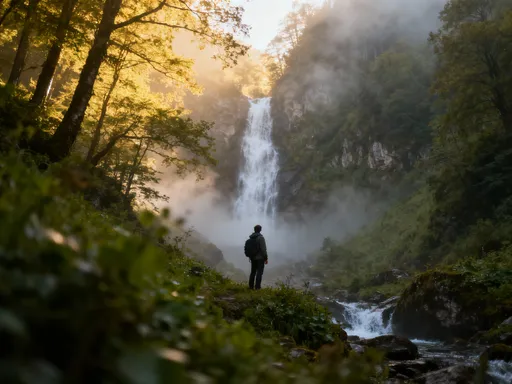
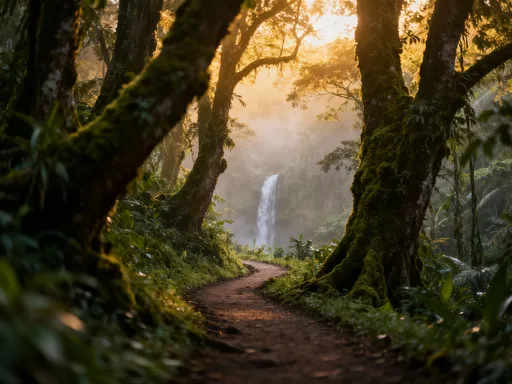
The woodlands surrounding Neuschwanstein are not merely background—they are guardians. Thick stands of spruce, pine, and beech trees encircle the castle and its approach paths, forming a living buffer between the modern world and this 19th-century fantasy. These forests are part of the larger Allgäu Alps ecosystem, one of the most biodiverse regions in southern Germany. Walking beneath their canopy, especially in the early morning or late afternoon, feels like stepping into another realm. Sunlight filters through the branches in slanted beams, illuminating patches of ferns and wild mushrooms. The air carries the rich, earthy scent of damp moss and decaying leaves, a fragrance that deepens after rain. Underfoot, the trail alternates between soft pine needles and compacted gravel, each step producing a quiet crunch that underscores the silence.
These forests serve a dual purpose: they insulate visitors from the noise and pace of the outside world, and they provide habitat for a wide range of species. Roe deer are frequently seen at dawn or dusk, their pale coats blending with the mist. Foxes, though more elusive, leave tracks in the mud after a night’s foraging. Birdlife is abundant—song thrushes, blackcaps, and the occasional buzzard circling overhead. The forest floor hosts a complex web of life, from beetles that feed on fallen wood to fungi that form symbiotic relationships with tree roots. This ecological richness is not accidental. The area has been protected for over a century, first by royal decree and later by regional conservation programs. As a result, the forests remain largely undisturbed, allowing natural processes to unfold without human interference.
For visitors, the psychological effect of these woods is profound. After navigating the crowds at the castle entrance or waiting in line for the shuttle bus, a walk through the forest offers immediate relief. The density of the trees creates a sense of enclosure, a natural sanctuary where the mind can slow down. This is not passive scenery—it is an active participant in the visitor experience. The rustle of leaves, the distant call of a jay, the sudden flash of a squirrel—these small events draw attention away from internal chatter and into the present moment. In this way, the forest does more than frame the castle; it prepares the visitor to see it with fresh eyes. It is a transition space, a threshold between the ordinary and the extraordinary.
Seasonal Shifts: Why Nature Changes Everything
The landscape around Neuschwanstein is never the same twice. Each season transforms the region in ways that alter not only its appearance but also the quality of the visitor experience. Spring arrives tentatively in April, when snow still clings to the highest ridges but the lower valleys begin to green. This is the season of wildflowers—crocuses, wood anemones, and alpine violets—dotting the meadows and forest edges. The Pfaffen Gorge path, a narrow trail following a rushing stream, becomes a corridor of blossoms in May, with waterfalls swollen from snowmelt. Trails may be muddy, and some higher routes remain closed, but the air is fresh and the crowds are thin.
Summer brings fullness. The trees are in full leaf, the lakes sparkle under long daylight hours, and the hillsides buzz with insect life. This is the most popular time to visit, and for good reason: the weather is generally mild, with average daytime temperatures around 70°F. However, it is also the busiest. To avoid the peak rush, early morning or late afternoon hikes are recommended. Even in summer, higher elevations remain cool, making the Höhenkessel trail a refreshing escape from valley heat. August often brings afternoon thunderstorms, which roll in quickly but pass just as fast, leaving the air washed clean and the light unusually vivid.
Autumn is, for many, the most magical season. From late September to early November, the beech and maple trees ignite in shades of gold, amber, and crimson. The contrast between the fiery foliage and the castle’s pale stone is breathtaking. Morning fog becomes more frequent, wrapping the hills in mystery and creating surreal photo opportunities. Trails are less crowded, and the cooler temperatures make hiking more comfortable. This is also a good time to spot wildlife, as deer move to lower elevations and birds prepare for migration.
Winter transforms the region into a silent, snow-draped world. While the castle remains open, some trails are closed for safety, and the shuttle service operates on a reduced schedule. Yet, for those who come prepared, winter offers unmatched solitude and beauty. Alpsee may freeze over, its surface dusted with snow, while the forest becomes a monochrome study in white and shadow. On clear days, the view from Marienbrücke is crystalline, with the castle standing in sharp relief against a pale blue sky. Winter hiking is possible on lower routes, though proper footwear and caution are essential. The season reminds visitors that this landscape is not a stage set—it is a living, breathing place, subject to the rhythms of nature.
How to Escape the Tourist Rush and Find Solitude
It is no secret that Neuschwanstein is one of Europe’s most visited castles, with over 1.4 million tourists annually. The main viewing platforms and interior tours are often crowded, especially between June and September. Yet, solitude is not impossible—it simply requires strategy. The most effective approach is timing. Arriving at the visitor center by 8:00 a.m., before the first tour buses arrive, can make a dramatic difference. The parking lot, shuttle queue, and main trail are all significantly quieter in the early hours. This also means better photo opportunities and a more peaceful ascent.
Another key tactic is to bypass the castle interior altogether—or at least delay it. While the ornate halls and throne room are impressive, they are contained spaces with limited capacity and constant foot traffic. Instead, many visitors find greater satisfaction in focusing on the surrounding nature first. Heading straight to Alpsee or taking the forest path to the Höhenkessel allows for a slower, more reflective start. These areas are rarely crowded, even on busy days, simply because they require a deliberate choice to visit. Similarly, lesser-known vantage points offer stunning views without the crowds. The meadow path beyond Schwansee, for instance, provides a panoramic outlook toward the castle with only a fraction of the foot traffic. The path near the town of Füssen, which follows the Lech River upstream, is another underused option, offering a gradual approach through farmland and riverside woods.
Finally, embracing slowness is perhaps the most powerful tool for escaping the rush. The average visitor spends less than three hours at Neuschwanstein, much of it waiting or moving in groups. By contrast, those who allow a full day—bringing a picnic, lingering by the lakes, or sitting quietly on a forest bench—often report a deeper connection to the place. Solitude does not require complete isolation; it comes from presence. Even 20 minutes off the main path, with no one else in sight, can restore a sense of calm and wonder. In a world of fast travel and curated experiences, this kind of unhurried exploration is a quiet rebellion—one that rewards the patient visitor with moments of genuine beauty.
Why the Natural Areas Make the Castle More Meaningful
In the end, Neuschwanstein Castle cannot be fully understood without its natural setting. King Ludwig II did not build his dream palace in a vacuum. He chose this specific location because it stirred something deep within him—a longing for harmony between human creation and the untamed world. The castle’s towers reach skyward, yes, but they are echoed by the peaks around them. Its ornate interiors reflect a romantic ideal, but that ideal was born from long walks through these same forests, quiet moments by these lakes, and the awe of standing on a ridge at sunrise. To visit Neuschwanstein and see only the architecture is to miss half the story. The true narrative is one of dialogue: between stone and stream, between imagination and reality, between the grand gesture and the quiet detail.
The natural areas surrounding the castle do more than enhance its beauty—they give it context. They remind us that even the most fantastical human creations are rooted in the earth. The moss on the castle walls, the birds nesting in the turrets, the way the morning fog rises from the valley—these are not distractions from the experience. They are its essence. When visitors take the time to walk the trails, sit by the lakes, or simply stand in the forest and listen, they participate in that original vision. They become part of the landscape, not just observers of it.
Travel has a way of revealing what we need, not just what we seek. At Neuschwanstein, many come for the fairy tale—but what they often find is something quieter, more enduring. It is the peace of a lakeside bench at dusk, the crunch of snow underfoot in winter, the sudden glimpse of a deer vanishing into the trees. These moments do not fit neatly into a photo album, but they linger in the memory. So, when you plan your visit, don’t just book a castle tour. Allow space for the unexpected. Walk the quiet paths. Breathe the forest air. Let the landscape speak. Because the real magic of Neuschwanstein isn’t behind glass or within gilded rooms. It’s outside, in the wild, whispering heart of the Bavarian Alps.